by | Nov 25, 2026 | Tech Insights & News (Englisch)
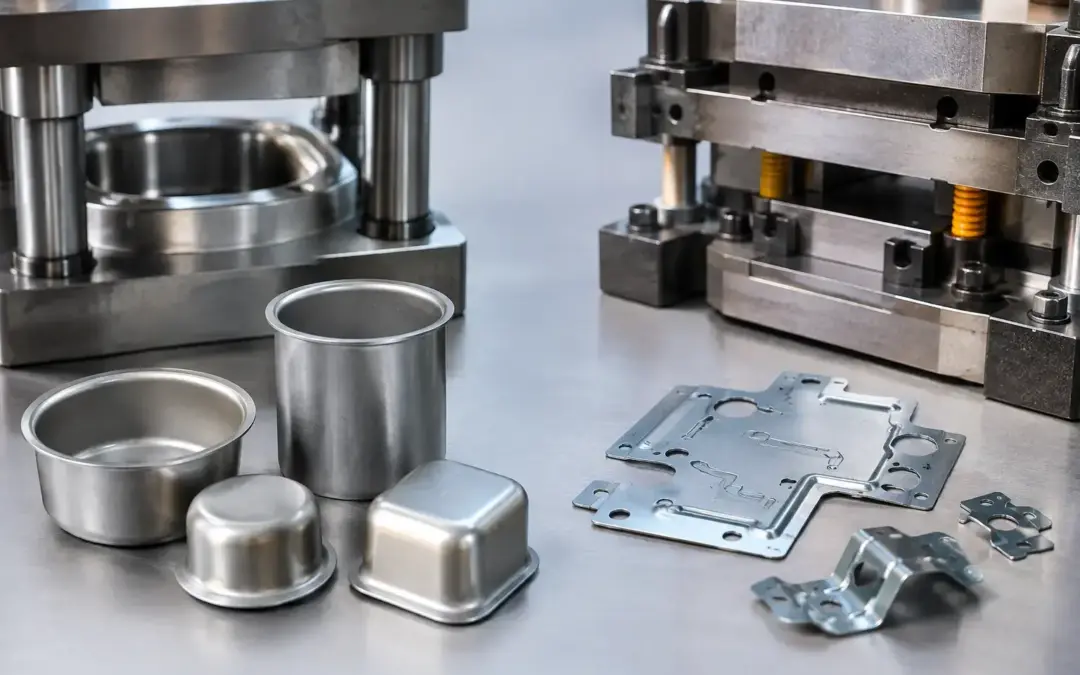
A component may look straightforward on a drawing – a small cup, sleeve, housing or shield – yet its production route determines whether it is economical, stable in volume and capable of meeting the required tolerances. The question of deep drawing versus...

by | Nov 23, 2026 | Tech Insights & News (Englisch)
A 0.03 mm feature can be the difference between an elegant medical device concept and a component that cannot be produced consistently at volume. This medical component manufacturability guide is for the point before that problem reaches the factory floor: when a...

by | Nov 21, 2026 | Tech Insights & News (Englisch)
A lighting scheme can look excellent on a plan and still frustrate everyone who has to use it. The usual reasons are familiar: sensors are positioned for convenience rather than detection performance, luminaires cannot be addressed as intended, or the control strategy...
by | Nov 20, 2026 | Tech Insights & News (Englisch)
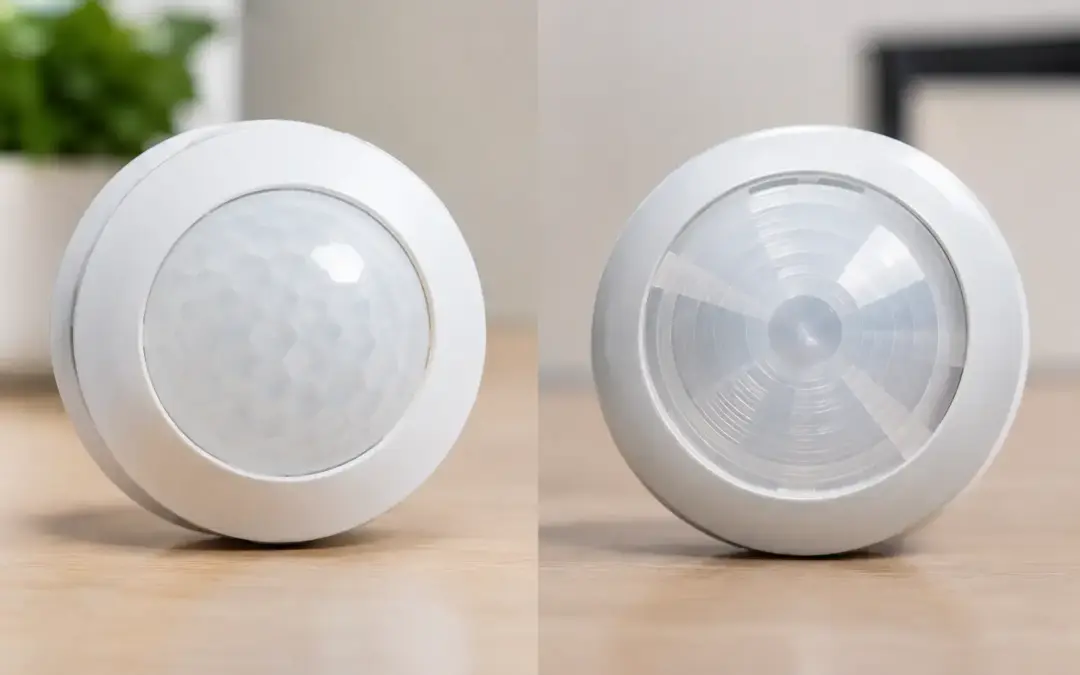
A motion sensor can have an excellent pyroelectric element, carefully designed electronics and a well-tuned algorithm, yet still deliver disappointing results if its optics are wrong. The discussion around PIR lens versus Fresnel lens often causes confusion because...
by | Nov 19, 2026 | Tech Insights & News (Englisch)
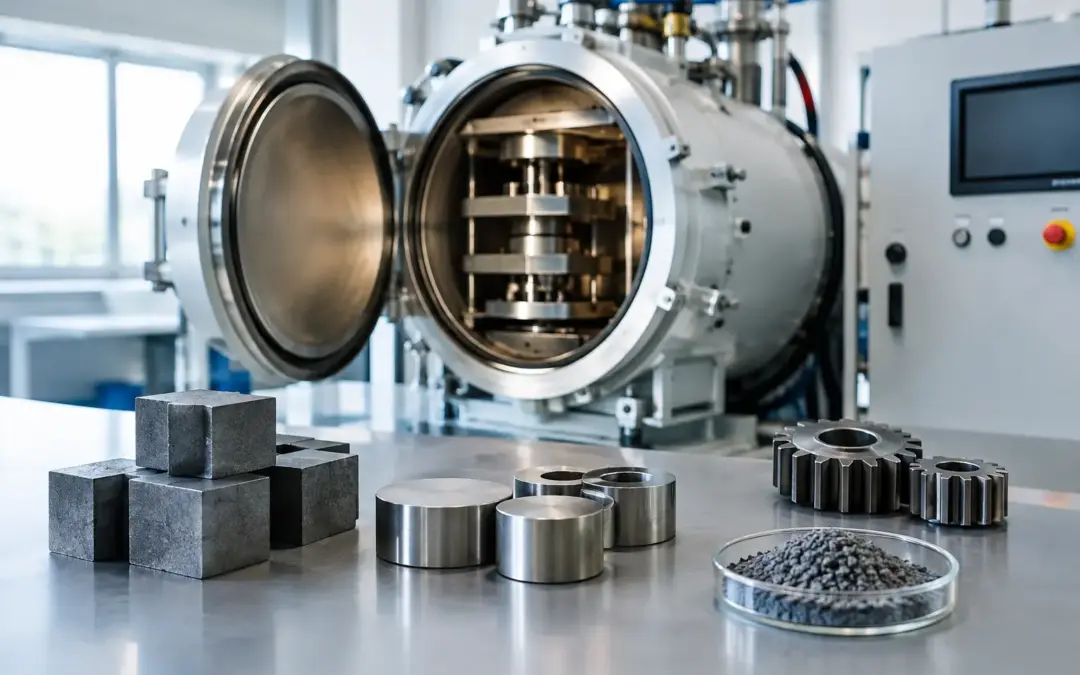
A hard-metal component can look perfect after pressing and still fail its final specification in the furnace. Density gradients, cobalt pooling, distorted edges, unexpected carbon balance and inconsistent shrinkage are usually not solved by simply increasing the peak...

by | Nov 18, 2026 | Tech Insights & News (Englisch)
A PIR detector that switches a luminaire, alarm or ventilation system at the wrong moment is more than an annoyance. It undermines confidence in the whole product. To reduce PIR sensor false alarms reliably, teams need to look beyond sensitivity settings and treat the...

Recent Comments